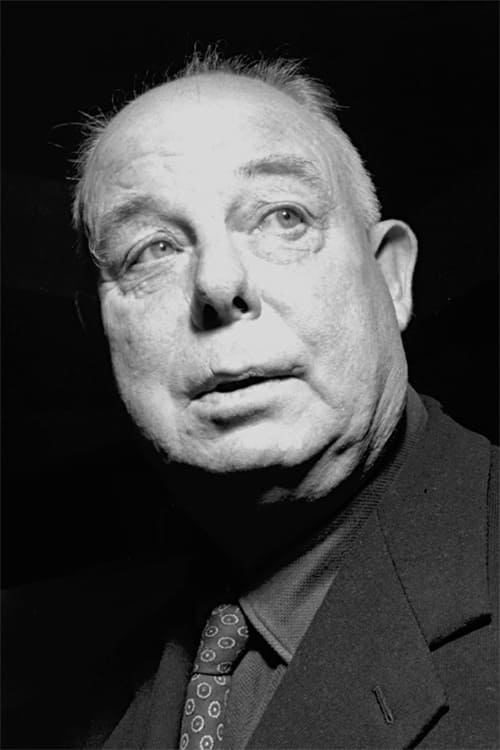
Jean Renoir
Biography
Jean Renoir (15 September 1894 – 12 February 1979) was a French film director, screenwriter, actor, producer and author. As a film director and actor, he made more than forty films from the silent era to the end of the 1960s. As an author, he wrote the definitive biography of his father, the painter, Pierre-Auguste Renoir, Renoir, My Father (1962). In the 1930s, Renoir was associated with the Popular Front, and several of his films reflect the movement's left-wing politics and deal with social issues as well as class disparities. He was perhaps the most significant director of the poetic realism movement. The satirical comedy-drama film The Rules of the Game (1939) is often cited by critics as among the greatest films ever made; it is the only film to earn a place among the top ten films in the respected British Film Institute's Sight & Sound decennial critics' poll for every decade from the poll's inception in 1952 through the 2012 list. Other important works are Grand Illusion (1937), A Day in the Country (1946) and The River (1951). Andrew Sarris in his influential book of film criticism The American Cinema: Directors and Directions 1929–1968 included him in the "pantheon" of the 14 greatest film directors who had worked in the United States.
personal Info.
Known for
Directing
Known Credit
2.666
Gender
Male
Birthday
1894-09-15
Place of Birth
Paris, France
Also Known as
장 르누아르
ジャン・ルノワール
Known For
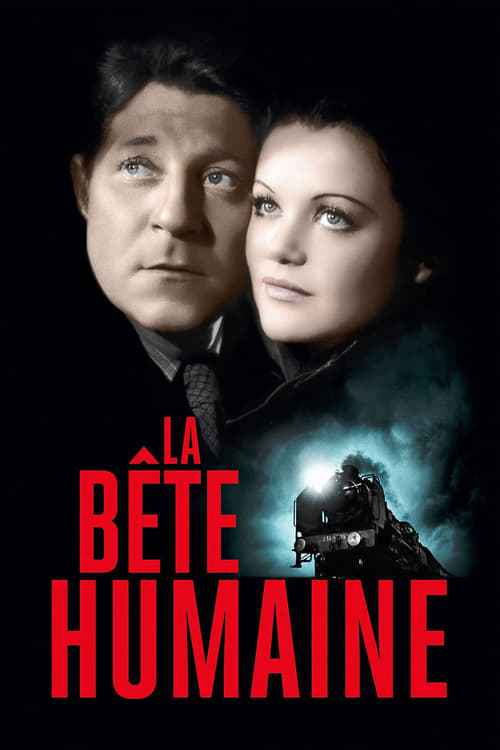
La Bête Humaine
The Christian Licorice Store

The Rules of the Game
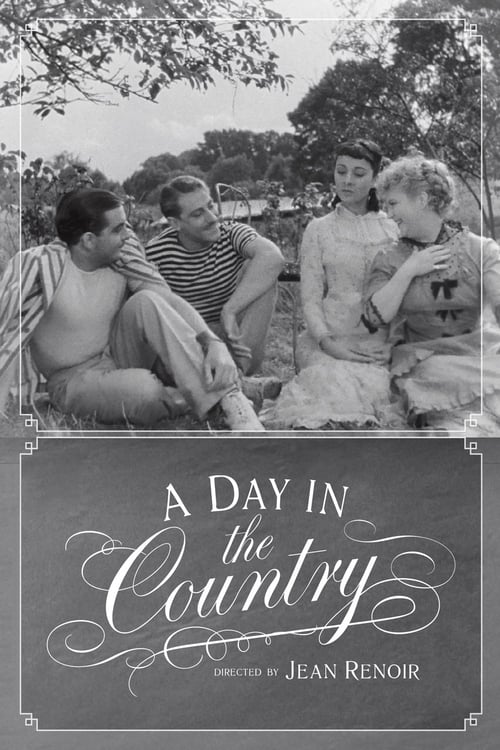
A Day in the Country
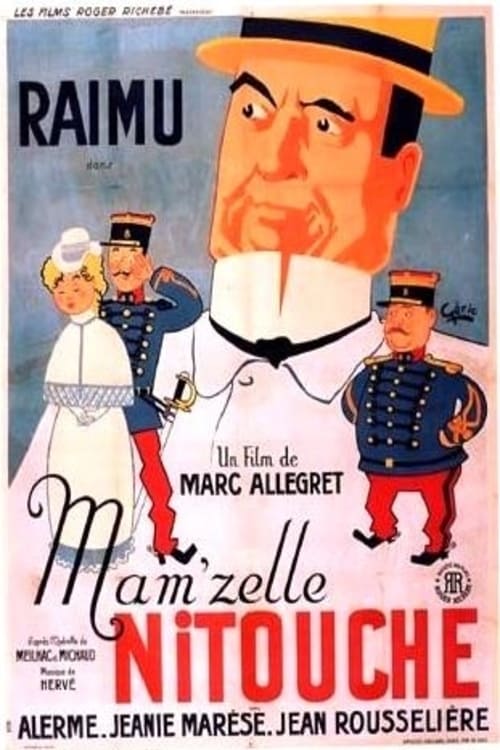
Mam'zelle Nitouche
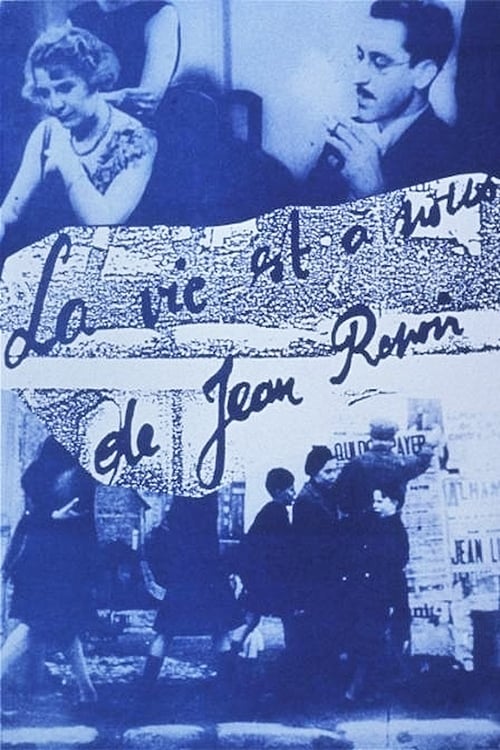
Life Is Ours
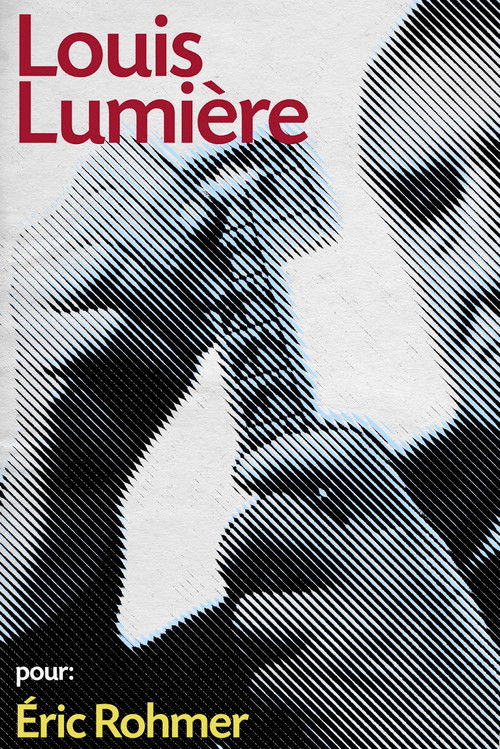
Louis Lumière

The Little Theatre of Jean Renoir

Jean Renoir: Part One - From La Belle Époque to World War II
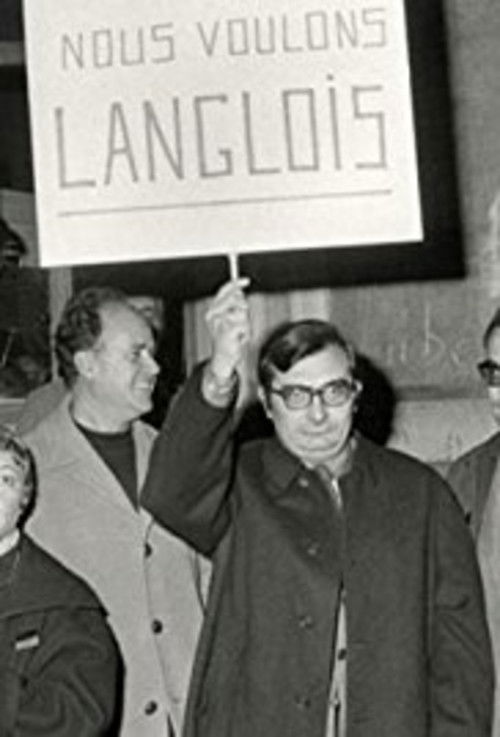
Langlois
Little Red Riding Hood
The Emma Bovary Trial

La P’tite Lili
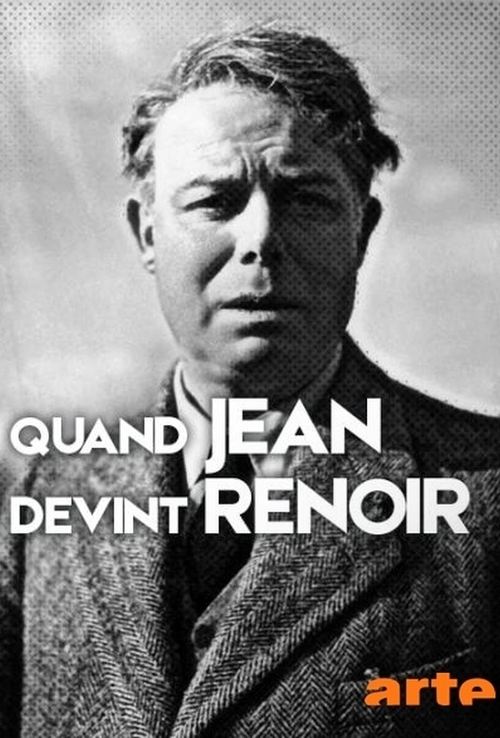
Quand Jean devint Renoir
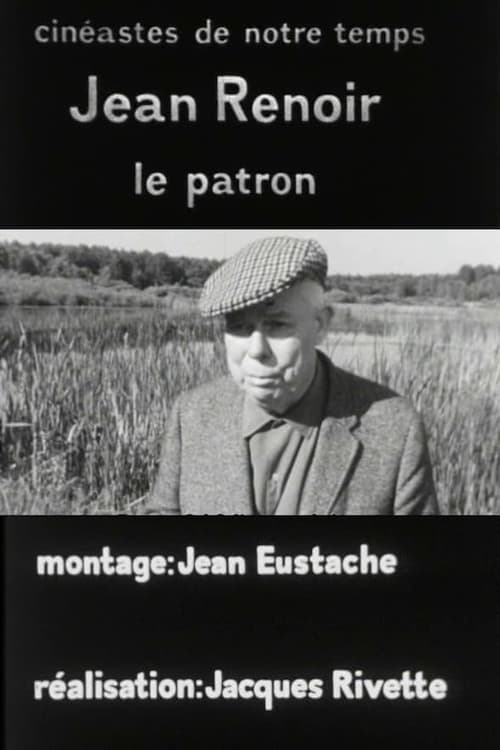
Jean Renoir, le patron, 1re partie: La recherche du relatif
Those of Our Land
Un tournage à la campagne

Backbiters
The Spanish Earth
Jean Renoir, le patron, 3e partie: La règle et l'exception