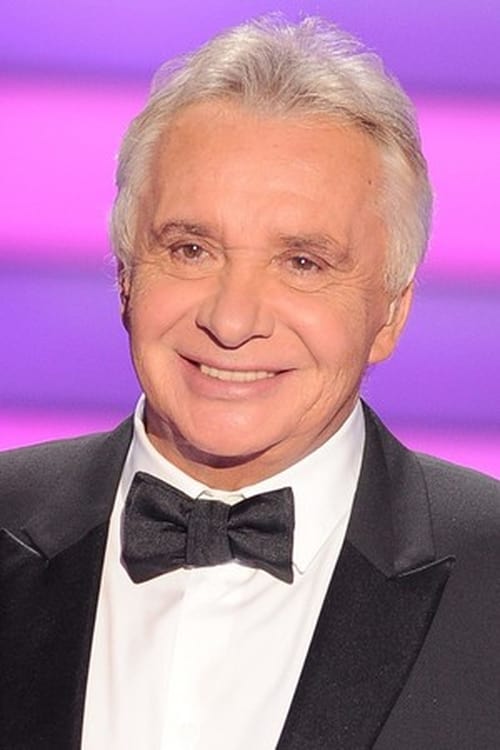
Michel Sardou
Biography
Michel Charles Sardou, who is known by his credited stage name as Michel Sardou (born 26 January 1947) is a French singer and occasional actor. He is known not only for his love songs ("La maladie d'amour", "Je vais t'aimer"), but also for songs dealing with various social and political issues, such as the rights of women in Islamic countries ("Musulmanes"), clerical celibacy ("Le curé"), colonialism ("Le temps des colonies", "Ils ont le pétrole mais c'est tout") or the death penalty ("Je suis pour"). Another sometimes controversial theme found in some of his songs ("Les Ricains" and "Monsieur le Président de France" for example) is his respect and support for the culture and foreign policies of the United States of America. He has been accused of being a racist due to his 1976 song "Le temps des colonies", in which a former colonial soldier proudly tells his memories of colonialism, but Sardou has always claimed the song was sarcastic. His 1981 single "Les lacs du Connemara" was an international hit (especially in the Netherlands). A number of his hit songs were written in collaboration with Jacques Revaux and Pierre Delanoë, a few others (most notably "En chantant") with Italian singer Toto Cutugno. Sardou sold out eighteen consecutive dates at Palais Omnisports de Paris-Bercy in 2001, while his 2004 album Du plaisir went straight to the number one spot on the French album charts. With a recording career of fifty years, Sardou has released 25 studio albums, 18 live albums and has recorded more than 350 songs (chiefly in French but also in Spanish, Italian and even English) and has sold more than 100 million records. Currently he is considered as one of the most popular artists in the Francophone world and one of the most lucrative, both in sales and in his shows. Michel Sardou was born on 26 January 1947 in Paris. His father, Fernand Sardou, was a singer and an actor while his mother, Jackie Sardou was an actress. His paternal grandfather, Valentin Sardou, was a comedian in Marseille, while his grandmother was a singer. Sardou left school at 17. Sardou began working as a waiter in his father's cabaret in Montmartre. He eventually met Michel Fugain and auditioned for Eddie Barclay. In 1965, Sardou began his recording career with "Le madras", co-written with Michel Fugain and Patrice Laffont. In 1967, his career really picked up, thanks to censorship: while France left NATO's integrated military command and the Vietnam War was causing anti-American sentiment in France, Sardou released "Les Ricains" (The Yanks), a song which stated the debt of gratitude towards the US for the liberation of France. Charles de Gaulle did not like the song and he advised against its broadcast on state radio and television. This gave the singer a new notoriety, and the song let him lay the foundations for his future artistic style. However, from 1967 to 1970, he still found it difficult to have big hits. ... Source: Article "Michel Sardou" from Wikipedia in English, licensed under CC-BY-SA.
personal Info.
Known for
Acting
Known Credit
0.3541
Gender
Male
Birthday
1947-01-26
Place of Birth
Paris, France
Also Known as
Michel Charles Sardou
Known For
La TV des 70's : Quand Giscard était président
Les Enfoirés 1998 - Enfoirés en cœur

Les Enfants de la Pop 80's
The Grand Restaurant III

Promotion canapé
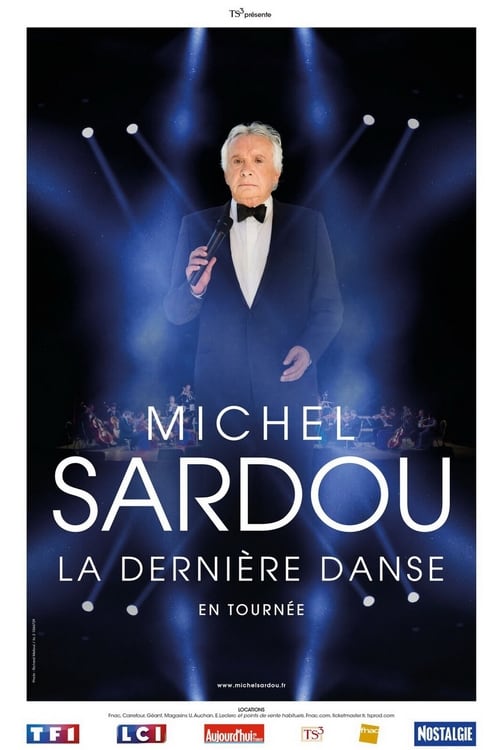
Michel Sardou - La dernière danse

Is Paris Burning?
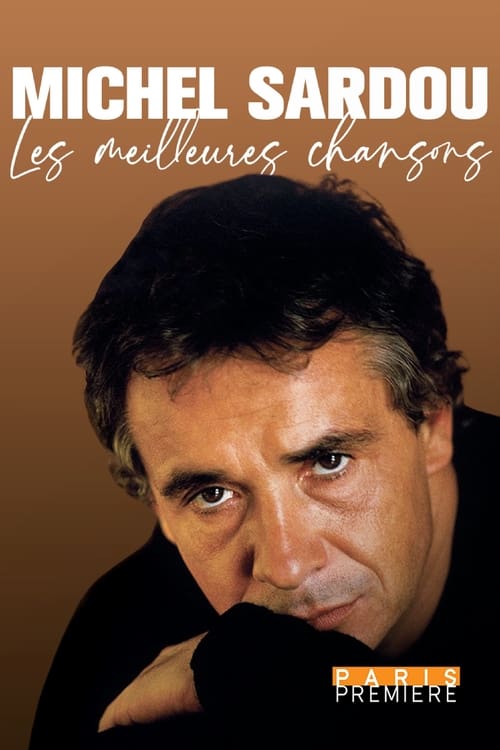
Michel Sardou, les meilleures chansons
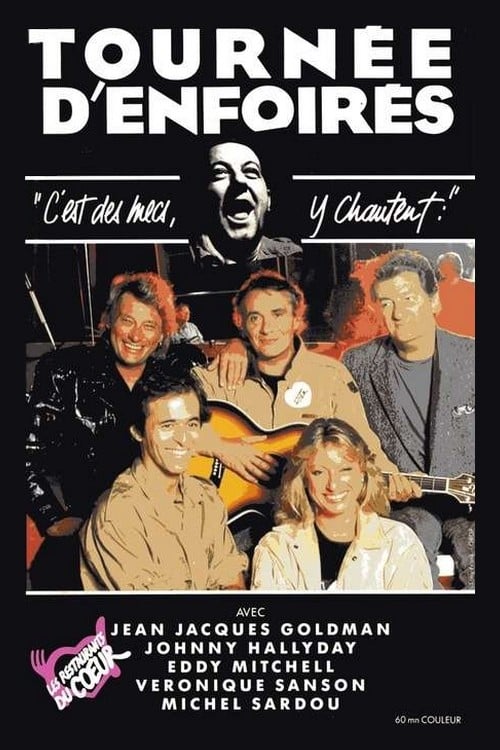
Les Enfoirés 1989 - Tournée d'Enfoirés
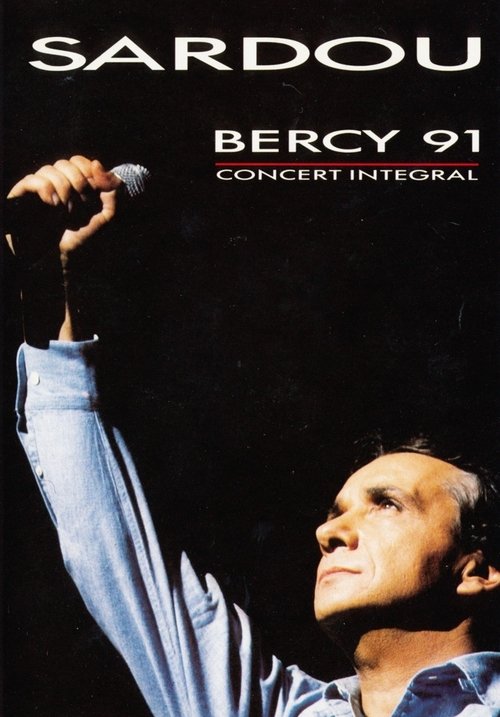
Michel Sardou - Bercy 91
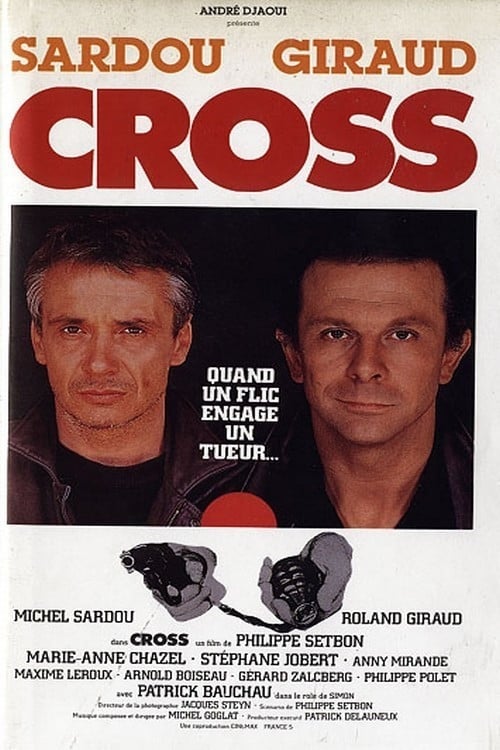
Cross
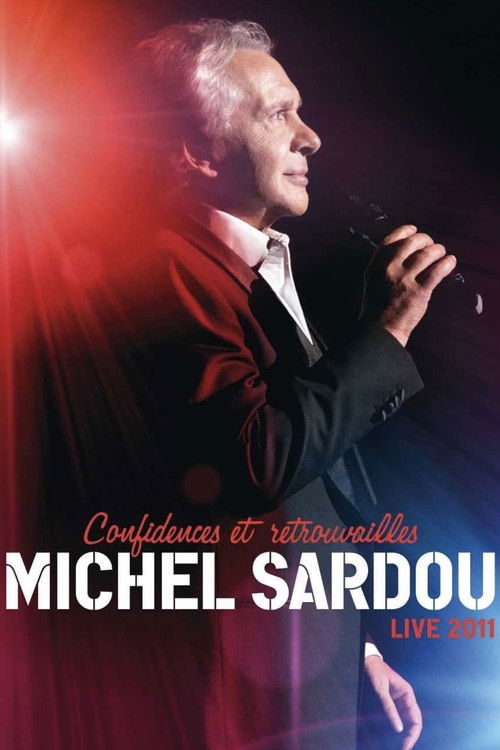
Michel Sardou - Confidences Et Retrouvailles - Live 2011
Michel Sardou - Bercy 93
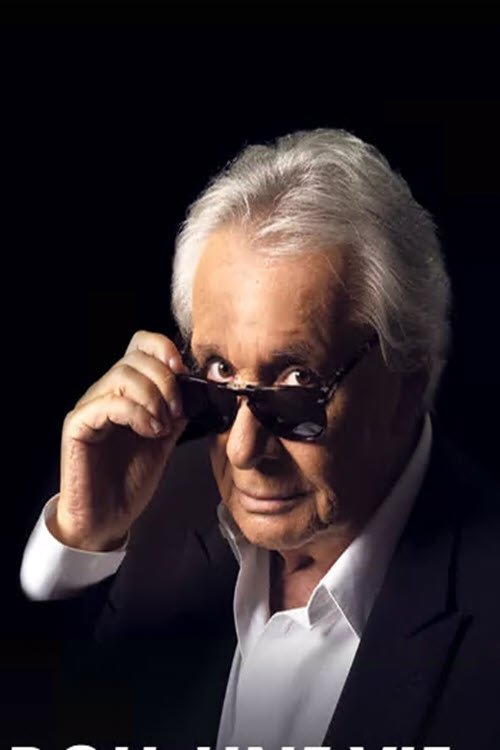
Michel Sardou une vie en chantant

Michel Sardou – Dernier show
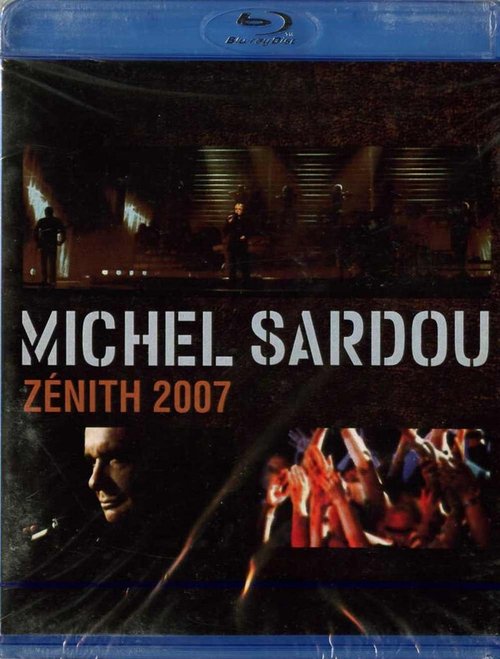
Michel Sardou zénith 2007
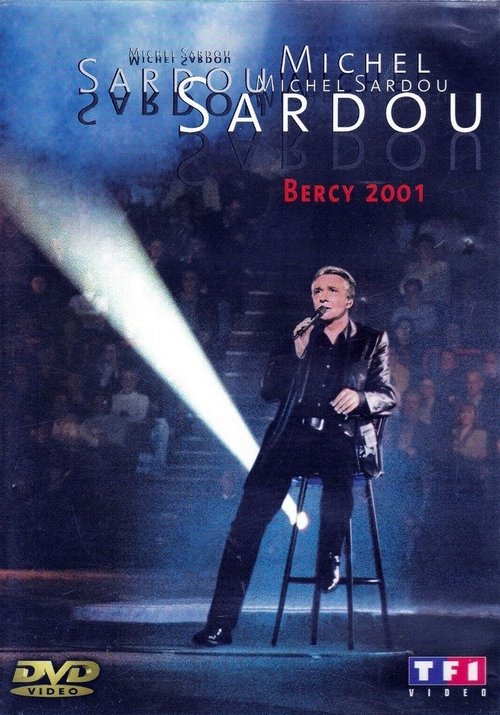
Michel Sardou - Bercy 2001
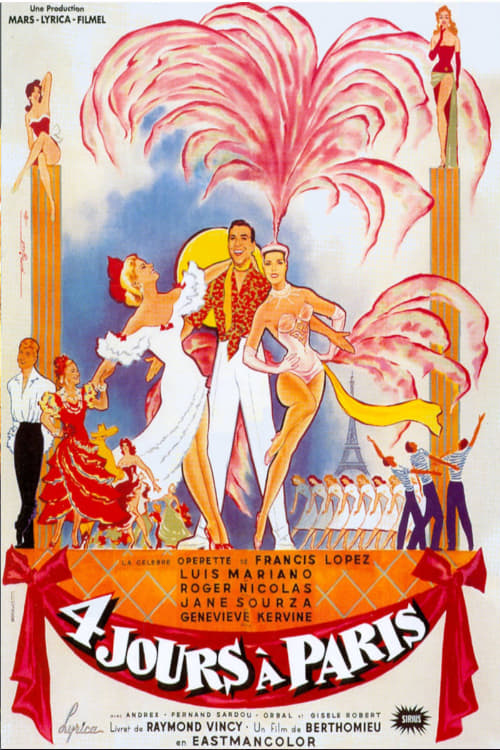
Four Days in Paris
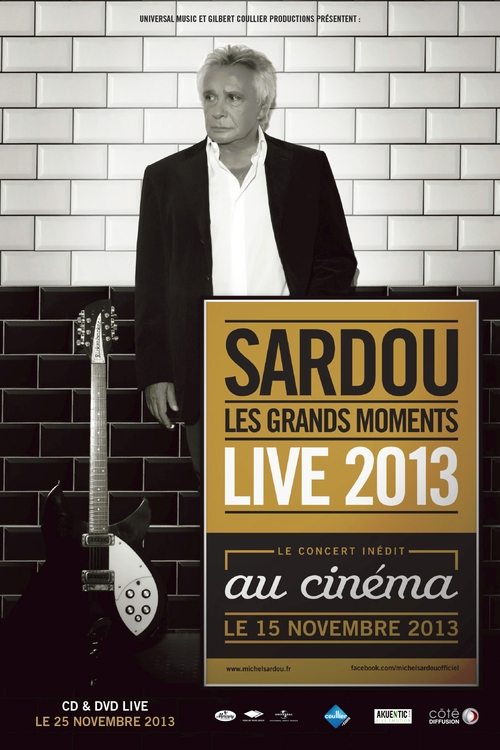
Michel Sardou - live 2013
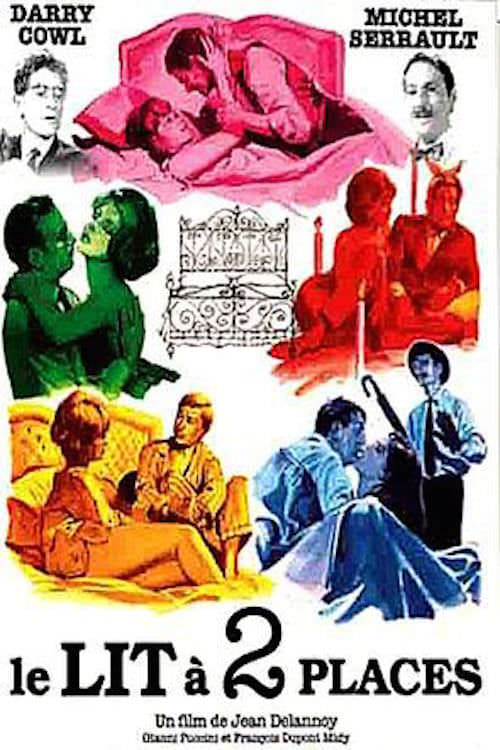
The Double Bed